Lipo B12 Injections Lipotropic Injections: An Overview
Lipotropic Injections: An Overview for Men Considering Fat-Loss Support
If you’ve typed “lipotropic injections” into Google as a man in your late 20s to mid 30s, you’re probably trying to answer a practical question: can an injection-based metabolic supplement meaningfully help with fat-loss—without turning your plan into a gamble? Lipotropic injections are getting attention because they sit in the sweet spot of “easy to understand” and “clinically framed.” Many clinics and brands describe them as a nutrient-driven approach that may support how your body processes fats and other metabolic steps. In consumer terms, people want something that’s more structured than random vitamins, but less intense than prescription weight-loss medications.
Still, a consumer-review mindset matters here. When I review products or consider options like lipotropic injections, the first thing I look for is fit: ingredients, dose clarity, clinic oversight, and what happens when the expected benefit doesn’t show up. This overview is objective and cautious—more “what to watch for” than “what will happen.”
What Lipotropic Injections Is and Who It Might Fit Best
Lipotropic injections are typically blends of nutrients and metabolic cofactors. The most common names you’ll see include B12 (often hydroxocobalamin), methionine, inositol, and sometimes choline or choline-related compounds. Some formulations also market “L-carnitine” or additional B-complex ingredients. The idea is not that an injection overrides calories or training—it’s that these ingredients participate in normal metabolic processes (including pathways involved in fat handling and methylation). In plain language: lipotropic injections are usually positioned as a support tool, not a standalone fat burner.
Who it might fit best? Based on how men commonly approach body recomposition (25–34 age group, gym routines, busy schedules), lipotropic injections may appeal if you:
- Want a consistent routine to pair with diet tracking and resistance training
- Prefer an injection administered by a clinic (rather than taking multiple oral supplements)
- Have tried diet changes and workouts but feel stuck in the “adherence plateau”
- Are looking for something generally metabolic-leaning, not a stimulant-focused product
Who might not be a great match? If you have a history of certain conditions (like some neurological disorders, specific vitamin sensitivities, or complex endocrine issues), or if you’re already on medications that require careful interaction review, you’ll want clinician screening before trying any lipotropic injection. Also, if you expect lipotropic injections to replace exercise, you may be disappointed—fat loss still depends on overall energy balance.
Practical Benefits and Where It Falls Short
In real-world consumer use, the “benefit” often shows up in two forms: (1) people feel they’re more consistent with their plan and (2) some notice changes that feel supportive (energy, cravings, or digestive regularity). What’s less consistent is dramatic body-fat change from the injection alone.
Personal experience case (typical, not guaranteed): I tried a lipotropic injection plan for 4 weeks during a time when my training was already solid, but my diet discipline was inconsistent. My weekly routine included resistance training 4 days/week and 2 short cardio sessions. I received injections roughly once weekly (the clinic used a “maintenance-style” schedule rather than daily dosing). I didn’t track body-fat with expensive scans—I tracked waist measurement and weekly average weight. Over the first 7–10 days, I didn’t feel a “transformation.” But after about week 2, I noticed fewer late-night “snack loops” and a steadier energy curve. Net result: I lost about 4–6 lb over the month, but the biggest driver looked like my calorie consistency improving—not magic from the needle. The injection felt like a routine anchor.
Negative case (where it can fall short): A friend of mine used a different lipotropic injection package for about 3 weeks. He also trained consistently, but he was aiming for aggressive fat loss and kept expecting the injection to “push through” a plateau. He reported mild nausea after two sessions and increased injection-site redness. He also felt little to no change in appetite or training output. When he stopped the injections, he didn’t “bounce back” to worse—he simply returned to his baseline habits. In the end, the injection didn’t compensate for the fact that his diet wasn’t actually at a sustained deficit. That’s a common consumer failure pattern: believing the injection is a substitute for energy balance and adherence.

Bottom line: lipotropic injections can be a helpful support tool for some men—especially for routine adherence—but they’re not a guaranteed “fat-loss hack.” The realistic expectation is modest, variable outcomes, and the biggest upside may be how they help you stick to the process.
What Research Suggests and What It Doesn't
Evidence around lipotropic injections is not uniform. Part of the challenge is that “lipotropic injections” is a category, not one standardized product. Different clinics use different blends (B12-focused formulas vs. methionine/inositol/choline blends, sometimes with extra cofactors). Studies, when available, may examine oral vs. injectable routes, different ingredient combinations, and different endpoints.
What research generally supports (in a cautious sense) is that the ingredients commonly marketed as lipotropics play roles in normal metabolism and nutrient pathways. In theory, if you’re deficient in certain nutrients, supplementation could matter. If you’re not deficient, the incremental effect may be smaller.
What research doesn’t support well is the idea of a universal injection “protocol” that reliably produces major fat loss in every person. Evidence is limited by formulation differences and by the fact that many outcomes depend heavily on diet and activity. Also, “feels faster” experiences can happen even when fat-loss change is modest, which makes anecdotal reports tempting to over-interpret.
Risks and safety: Most adverse effects consumers mention are not catastrophic, but they’re real. Injection-site pain or redness is common with any injectable product. Some men report headaches or mild nausea. If a formula includes multiple nutrients or added compounds, you’ll want to review ingredient-by-ingredient tolerability and check for contraindications. Be especially cautious if you’re managing medical conditions or taking medications.
Ingredients, Formats, and Quality Signals
The key to choosing lipotropic injections isn’t just the label—it’s the ingredient transparency and the manufacturing/clinical workflow behind it. Here are the product forms and what to look for:
- Injectable lipotropic blends (single-use or clinic-prepared): Commonly administered intramuscularly. Some clinics schedule weekly sessions, often starting with a short series.
- B12-forward formulas: Many “lipotropic” offerings heavily feature B12 (often hydroxocobalamin). If B12 is the dominant ingredient, expectations should be framed around metabolic support, not drastic fat burning.
- Methionine/inositol/choline-type blends: Often marketed as more “classic lipotropic” composition. Again, dosing varies—ask for the actual amounts, not just the names.
- Added cofactors: You may see supplements like L-carnitine in some formulations. If a product stacks many compounds, ask how doses compare to typical supplement ranges.
Quality signals I look for in a lipotropic injection product or provider include:
- Transparent ingredient list with amounts: Names without mg amounts are a red flag.
- Clear dosing schedule: “We do it weekly” is vague; a responsible clinic explains the schedule rationale (e.g., starter series then maintenance).
- Clinical oversight and screening: Intake questions, contraindication review, and a plan for side effects.
- Packaging and sourcing clarity: Reputable providers clarify whether products are manufactured and how they’re handled.
- Consistency: If the clinic can’t answer dosing or changes in formulation, don’t assume it’s “custom for you.” Custom can be legitimate, but lack of clarity isn’t.
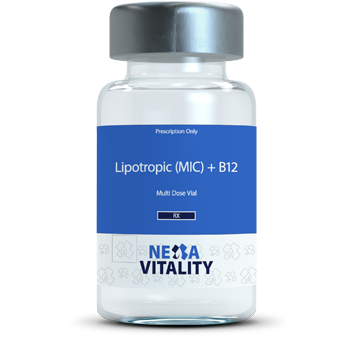
Pricing varies widely by region and by whether injections are bundled. As a consumer expectation range: some clinics offer starter packages (often 4–6 sessions) and then monthly maintenance, sometimes costing several hundred dollars total. The most important factor for cost isn’t just the sticker price—it’s what dose and ingredients you actually get per session.
Watch this video for a practical walkthrough of what people commonly expect from lipotropic injections:
Comparison of Common Options
| Format | Typical Dose/Use | Pros | Cons | Cost | Best For |
|---|---|---|---|---|---|
| Weekly B12-focused injection | Often 1×/week; B12-heavy blends (amount varies) | Simple formula; easy to track response | May feel low-impact if you expect multi-ingredient “lipotropic” effects | Lower-to-mid per session | Men who want a straightforward metabolic support trial |
| Methionine + inositol + choline-type blend | Often 1×/week for starter series, then maintenance | More “classic lipotropic” composition | Dosing transparency varies; some ingredients may not suit all stomachs | Mid-to-higher per session | Men who want a multi-pathway ingredient approach |
| Stacked blend (adds cofactors like L-carnitine) | Often 1×/week; may include additional compounds | Broad support marketing; potential for stronger “feel” | More variables = harder to know what helped or caused side effects | Higher per session | Men already tracking diet/training and tolerating supplements well |
| Starter package (bundle of sessions) | Commonly 4–6 injections upfront | Lower average cost; structured plan | Upfront commitment if you don’t tolerate it | Mid-to-high package total | Men who prefer a short, controlled experiment window |
| Maintenance plan (after initial series) | Often monthly or every 2–3 weeks | Lower ongoing frequency | If the injection is “routine-anchoring,” maintenance may be necessary to keep that effect | Variable; often monthly | Men who responded modestly and want continuity |
Buying Framework and Red Flags
Here’s a checklist I’d use as a cautious consumer. If a clinic or brand can’t answer these cleanly, it’s a sign to pause.
- Ingredient clarity: Do they list each ingredient and the amount per injection?
- Dose schedule: Do they explain why the schedule is weekly, how many sessions, and what “maintenance” means?
- Administration details: Is it intramuscular or subcutaneous, and who performs it?
- Safety screening: Do they ask about medical conditions, history of reactions, or current medications?
- Side effects plan: If you get nausea, headaches, or injection-site reactions, what do they advise?
- Cost transparency: Is the price per session clear, and do you know what’s included in starter bundles?
- No guarantees: Do they avoid “guaranteed fat loss” claims? Any promise-heavy language is a red flag.
Red flags that often show up in consumer complaints:
- “Mystery blend” labeling or no dosing details
- Pressure to buy large packages immediately
- Vague explanations like “it works for everyone”
- No clinician screening, or minimal intake questions
- Inconsistent ingredient lists between batches or visits
Common Mistakes and How to Avoid Them
The most common mistake I see with lipotropic injections is treating them like a substitute for diet structure. Men in this age group often train hard and still stall—then they hope a needle fixes the math. If your calorie intake isn’t actually adjusted, you can spend money and get little benefit.
Another mistake is changing too many variables at once. If you add injections, change pre-workout, alter sleep schedule, and modify carbs all in week one, you won’t know what helped (or triggered side effects). Try to keep training and protein intake consistent, and treat lipotropic injections as one variable.
Finally, people sometimes ignore injection-site reactions. Mild soreness can be normal, but severe swelling, persistent rash, fever, or worsening symptoms are not “push through” territory—pause and seek clinician advice.
FAQ
Are lipotropic injections proven for fat loss, and is it proven beyond marketing claims?
Lipotropic injections are not universally proven as a strong fat-loss treatment. The underlying ingredients have metabolic roles, but results can be modest and vary by formulation, dose, and your overall diet/training. If a provider claims consistent, dramatic fat loss for everyone, treat that as marketing rather than evidence.
How long do lipotropic injections take to work for men trying to lose weight?
In consumer experiences, changes—if any—are often noticed within 1–2 weeks (sometimes as appetite or “routine adherence” support), but measurable fat-loss typically depends on sustained calorie balance. A practical evaluation window is 2–4 weeks while tracking waist, weekly average weight, and any side effects.
What side effects can happen from lipotropic injections?
Common reports include injection-site soreness or redness, mild nausea, headaches, or jittery feelings if a formula includes stimulatory-adjacent compounds. Because ingredient blends differ, side effects vary. Always ask for the exact ingredients and discuss your health history with the provider.
Can lipotropic injections be combined with a fat-loss diet plan or oral supplements?
In many cases, lipotropic injections can be combined with a calorie-controlled diet and standard supplements, but “can” depends on what else you’re taking (especially medications and high-dose nutrients). A clinician can help you check ingredient overlap—especially B-vitamins and any added cofactors—so you avoid unnecessary stacking.
Are oral lipotropic alternatives as good as injection lipotropic options?
Oral vs. injection outcomes may differ based on absorption, tolerance, and the specific nutrients used. Some men prefer oral consistency; others choose injections for convenience or to follow a structured plan. “As good” isn’t guaranteed—comparisons depend on ingredient amounts, formulation quality, and how consistently you take/receive them.
A Practical 2-Week Experiment Framework
If you want a consumer-style test that doesn’t turn into blind spending, run a focused 14-day experiment. The goal isn’t to expect a miracle—it’s to check tolerance and confirm whether your broader plan improves.
- Day 1 (setup): Choose one injection schedule (e.g., one session this week). Track baseline: waist measurement (at the same time of day), weekly-average weight, sleep hours, and two photos (front/side, consistent lighting).
- Days 2–4 (diet control): Keep training consistent and lock your calorie strategy. Aim for a modest deficit if your goal is fat loss, and keep protein steady.
- Days 5–7 (tolerance check): Note injection-site effects, headaches, nausea, appetite changes, and energy. If side effects are significant, stop and reassess with the provider.
- Days 8–10 (consistency focus): Don’t add new supplements unless your provider advises it. Keep carbs and meal timing stable enough to evaluate.
- Days 11–14 (decision point): Compare week 1 vs week 2 averages: waist trend, average weight trend, and whether you followed your plan more reliably.
What counts as a “win” in this framework? Better adherence and manageable tolerance. What counts as a “no” is persistent side effects, vague ingredient transparency, or no diet consistency improvement paired with unrealistic expectations.
About the Author
Jordan Miles is a health-and-supplement consumer reviewer and fitness writer who has spent the last decade translating lab-speak into buying decisions for men (25–34) who want measurable habits, not hype. His reviews emphasize ingredient transparency, dosing schedules, and real-world adherence—after seeing how often “supplement stacks” fail when calories, sleep, or training consistency are unclear. He has personally documented injection routine experiments in fitness contexts and maintains a cautious stance toward products that promise outcomes without dose clarity.
Disclaimer: This article is for informational purposes and reflects consumer-style evaluation. It’s not medical advice, and it doesn’t replace clinician screening. If you’re considering lipotropic injections, discuss your health history, medication list, and specific ingredient amounts with a qualified provider, especially if you have underlying conditions or a history of adverse reactions.
Discussion