B12 Injections Pernicious Anemia Why are doctors stopping B12 injections?
Why Are Doctors Stopping B12 Injections? A Cautious, Consumer-Style Review for Young Women
“Why are doctors stopping B12 injections?” has become a surprisingly common search—especially among 18–24-year-old women who are tired of guessing, tired of internet health advice, and ready for something that feels straightforward. The short answer is not that B12 is “bad.” The shift is usually more boring and more practical: fewer clinicians default to injections when oral or dietary approaches work for the likely cause, and more emphasis is placed on diagnosing the reason you might be low before treating.
In other words, this is less about a magic withdrawal of a once-popular treatment and more about using B12 injections more selectively. If you’re reading because you’re considering hydroxocobalamin or another B12 injection option, or because you’ve been told to switch strategies, you’re not alone. Below is a consumer-style, cautious review of what may be behind the trend—plus what to watch out for if you’re tempted to self-experiment.
Introduction: Why Are Doctors Stopping B12 Injections? (And Why You’re Seeing It Online)
B12 injections get attention because they feel “direct.” But when clinicians decide what to prescribe, they’re balancing (1) the likely cause of low B12, (2) your lab values, (3) how reliably a treatment corrects levels, and (4) safety and convenience. For many young adults, B12 deficiency risk relates to diet patterns (for example, low intake of animal foods), certain medications, or absorption issues. In these scenarios, many people can correct B12 with oral supplements and follow-up testing rather than routine injections.
Also, “stopping” can mean different things depending on the clinic: some doctors reduce routine injection prescribing; others stop using injections for mild or unconfirmed deficiency; and some patients stop after levels normalize. That nuance matters. If you’re searching “why are doctors stopping B12 injections” because you suspect you’re deficient, the most actionable next step is often the least dramatic: confirm with labs and match treatment to the cause.
What Why Are Doctors Stopping B12 Injections Is and Who It Might Fit Best
“Why are doctors stopping B12 injections” usually describes one or more of these situations:
- Unconfirmed deficiency: People take injections without labs. Many clinicians prefer to measure B12 (and sometimes related markers) before escalating.
- Oral works for the likely cause: If your absorption is largely intact, oral B12 can raise levels for many individuals.
- Convenience and cost: Injections are appointments, supplies, and monitoring. Oral options can be easier for sustained use.
- Safety and risk management: Injections can cause reactions (pain, redness, swelling) and rarely other issues—so clinicians reserve them for cases where they’re clearly justified.
- Symptom mismatch: Fatigue, tingling, brain fog, and hair changes can have many causes. B12 injections won’t “fix” symptoms caused by something else.
This trend may fit you best if you’re an 18–24-year-old woman who:
- Has symptoms but hasn’t had recent labs.
- Wants a practical plan that doesn’t require repeated clinic visits.
- Is comfortable with tracking changes and following up with a clinician rather than chasing quick results.
Practical Benefits and Where It Falls Short
Potential benefits you might actually notice when B12 levels are low and then corrected include improved energy, better focus, and gradual changes in neurologic symptoms if they were truly B12-related. However, improvements are not guaranteed, timing varies, and you shouldn’t assume the underlying cause is B12.
Where it can fall short is usually one of these:
- Wrong problem: You feel “off,” but the cause is iron deficiency, vitamin D insufficiency, thyroid issues, stress, sleep debt, or medication side effects.
- Inadequate dosing or duration: Some people stop too early, expecting an immediate reset.
- Non-matching route to the cause: In certain absorption disorders, oral may work for some people but not others—so labs and follow-up matter.
- High expectations: If you’re looking for a “same-day energy injection,” B12 is not typically that kind of supplement.
Personal experience (positive case): A friend of mine (20, student, tends to eat vegetarian meals most days) noticed fatigue and “heavy brain” during midterms. She got labs that showed low B12 and also had dietary history that supported inadequate intake. Her clinician recommended an oral regimen first (daily supplement) rather than starting B12 injections. After about 3–5 weeks, she reported clearer focus and less fatigue, and repeat labs showed improved B12. The key wasn’t that “injection worked,” but that treatment matched the likely cause and she followed up.
Personal experience (negative case): Another acquaintance (19, very busy schedule, inconsistent meals, no recent labs) started getting B12 injections from a clinic after social media recommendations. She reported nausea and a couple of injection-site reactions, and her main symptoms (anxiety-like restlessness and headaches) didn’t improve. When she finally got lab work, her B12 was normal, and iron was low. In her case, injections didn’t help because the underlying issue wasn’t B12 deficiency. That’s the most common failure pattern behind “why are doctors stopping B12 injections”: a mismatch between supplementation and the real cause.
What Research Suggests and What It Doesn't
Research generally supports that B12 deficiency can be corrected with B12 supplementation and that injections can raise levels—sometimes quickly—particularly in cases of significant malabsorption or severe deficiency. But when people ask “why are doctors stopping B12 injections,” the evidence tends to point toward selective use: for many individuals, oral supplementation is effective and avoids injection-related inconveniences and risks.
Here’s what research supports more confidently:
- Biochemical correction: Both oral and injected B12 can raise B12 levels when used appropriately.
- Follow-up matters: Checking response is important, especially if symptoms persist.
- Neurologic risk requires caution: If symptoms suggest nerve involvement, clinicians are more likely to treat aggressively and monitor carefully.
And here’s what research usually doesn’t support as a blanket claim:
- Guaranteed symptom relief: If fatigue or brain fog is from another cause, B12 won’t “overrule” that cause.
- Universal fast results: Time-to-improvement depends on how low levels were, the cause, and the symptom type.
- One-size-fits-all choice: Whether you “should” use injection vs oral depends on your labs and clinical context.
Risks still deserve respect. Even when serious complications are uncommon, injections can cause local reactions. More importantly, treating the wrong problem can delay the right diagnosis. That’s a practical risk—sometimes bigger than the injection itself.
Ingredients, Formats, and Quality Signals
If you’re trying to understand the “product direction” in a responsible way, focus on the format and quality signals—because the best route is often the one that you can use consistently while meeting your clinical need.
Common B12 injection formats
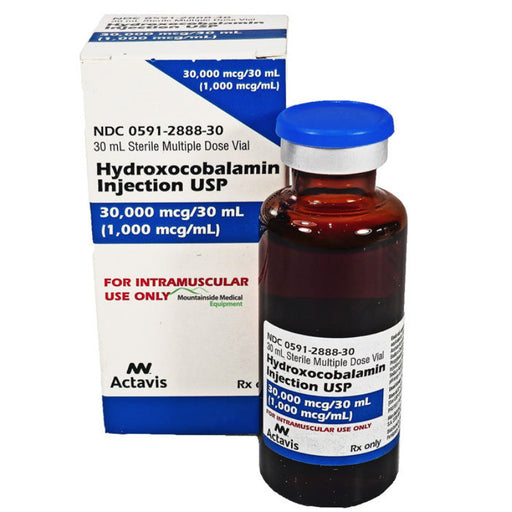
- Hydroxocobalamin injections: often used because hydroxocobalamin is a stable form for certain clinical approaches.
- Cyanocobalamin (in some settings): used in both oral and injectable options depending on availability and clinician preference.
Common oral formats
- Methylcobalamin tablets/sublingual: often marketed for neurologic support.
- Cyanocobalamin tablets/capsules: widely used in supplements.
- Oral high-dose options: designed to leverage absorption pathways even when intrinsic factor is imperfect.
Quality signals to look for
- Clear labeling: exact form (methyl vs cyano vs hydroxocobalamin) and dose per unit.
- Regulated manufacturing: quality standards consistent with medical-grade supply chains when applicable.
- Batch/lot traceability: ability to identify production lots for recalls or verification.
- Reasonable dosing instructions: a plan that includes follow-up rather than “take forever with no monitoring.”
Because the question is “why are doctors stopping B12 injections,” the product lesson here is usually: choose a format that matches your cause and your ability to stay consistent—then re-check labs to confirm you’re moving in the right direction.
Comparison of Common Options
| Format | Typical Dose/Use | Pros | Cons | Cost | Best For |
|---|---|---|---|---|---|
| B12 Injection (Hydroxocobalamin) | Clinician-directed schedules; often used for confirmed deficiency or specific cases | Clinic-administered oversight; can be appropriate when absorption is reduced | Appointments; local reactions; not usually first-line for unconfirmed mild cases | Often higher than oral (depends on setting) | Confirmed deficiency, absorption concerns, or when clinicians prefer injections |
| Oral Methylcobalamin | Commonly daily; high-dose products vary | Easy to start; no injection-site issues; convenient for long-term use | May not be ideal for certain severe absorption disorders without follow-up | Typically less costly over time | Likely dietary insufficiency or confirmed mild deficiency with functional absorption |
| Oral Cyanocobalamin | Commonly daily; dose varies by product | Widely used; often cost-effective; multiple dosing options | Taste/format may vary by brand; still needs consistent use and labs | Usually mid-to-low cost | Diet-related risk and general supplementation under a monitoring plan |
| B12 Complex (Multivitamin) | Daily multivitamin dose; B12 amounts vary | Convenient if you’re already using a multivitamin; covers broader nutrients | May not reach therapeutic doses if deficiency is significant | Varies by brand | Prevention support when labs don’t show deficiency |
| Diet + Targeted Supplement | Dietary changes plus supplement as needed; follow-up labs | Addresses root intake; supports consistency; can reduce long-term reliance on injections | Slower than injections for some people; needs planning | Varies (food costs vs supplement costs) | Mild deficiencies, prevention, and diet-driven risk |
Buying Framework and Red Flags
If your search is really about “why are doctors stopping B12 injections,” then your buying approach should prioritize fit and monitoring, not hype. Use this checklist when you’re comparing options.
- Step 1: Labs first (if symptoms are persistent). Ask for B12 testing and discuss whether additional markers are needed.
- Step 2: Match the form to the plan. Injection vs oral should align with the suspected cause, not just convenience.
- Step 3: Look for dosing clarity. Avoid products with vague amounts like “supports energy” only.
- Step 4: Plan a follow-up window. If you don’t know when you’ll re-check levels or reassess symptoms, it’s hard to know if the approach is working.
- Step 5: Watch for red flags. If a clinic or seller pushes frequent injections without labs, discourages follow-up testing, or claims you’ll feel better immediately, treat that as a warning sign.
- Step 6: Consider your side-effect history. If you’ve had injection-site reactions or unusual symptoms with prior supplements, document them before continuing.
Common red flags: “Guaranteed energy in 24 hours,” “B12 deficiency is the only cause of your symptoms,” no paperwork or lot traceability, and no discussion of alternative explanations like iron deficiency or thyroid concerns.

Common Mistakes and How to Avoid Them
- Starting injections without labs: If your B12 is already normal, injections may add cost and side effects without benefit.
- Stopping too early: Many people quit after a couple doses because symptoms seem unchanged. B12 correction is a process, and timelines vary.
- Ignoring other common deficiencies: Iron deficiency, folate imbalance, vitamin D insufficiency, and sleep disruption often mimic low B12 fatigue.
- Not tracking your response: If you don’t log symptom changes and side effects, you can’t tell whether the intervention is helpful or harmful.
- Assuming route doesn’t matter: For certain causes, injection may be more appropriate. For others, oral may work. The key is aligning route with the reason.
FAQ
Is it proven that you need B12 injections if you feel tired?
Not universally. “Proven” depends on whether you’re truly deficient and what’s causing symptoms. Many people with normal B12 levels feel tired for other reasons, so injections won’t address the real cause. The most evidence-aligned approach is testing and choosing a route based on the underlying cause.
How long does it take for B12 injections to work if labs are low?
Timelines vary by how low B12 was and whether symptoms are neurologic versus non-specific fatigue. Some people notice changes within weeks, while others need longer and may require follow-up testing and an adjusted plan. It’s reasonable to expect gradual improvement rather than immediate, day-one effects.
What are the most common side effects of hydroxocobalamin or B12 injections?
Common issues include injection-site pain, redness, swelling, and occasional mild side effects. Rare reactions can occur, which is why it’s important to discuss your history with a clinician and stop or seek care if you have severe or unusual symptoms.
Can B12 injections combine with iron, folate, or a multivitamin?
Often yes, but it depends on your specific labs and health context. A cautious approach is to review everything you plan to take with a clinician or pharmacist—especially if you’re treating more than one deficiency or taking medications that affect absorption.
Oral vs injection: which is better if I’m a young woman with suspected B12 deficiency?
“Better” usually means “matches the cause and your lab results.” Oral B12 is often effective for many people and may be a reasonable first step with follow-up testing. Injections may be preferred when absorption is impaired or deficiency is more severe. The goal is correction with minimal unnecessary risk and cost.
A Practical 2-Week Experiment Framework
If you want a structured, consumer-style experiment (without pretending it’s a cure), use this framework to gather information you can take to a clinician. This is especially helpful if your question is “why are doctors stopping B12 injections” and you’re trying to decide what to do next.
Before you start (Day 0): If possible, schedule labs (B12, and discuss whether related markers are appropriate). If you already have recent results, document your values.
| Days | What to do | What to track |
|---|---|---|
| 1–3 | Start the chosen option only if it aligns with your current plan (oral supplement or clinician-directed regimen). Keep diet consistent. | Energy baseline, sleep quality, any injection-site reactions, and side effects. |
| 4–7 | Focus on consistency. Add one diet action if relevant (for example, more B12-containing foods if you’re not eating them). | Symptom changes (fatigue, focus), headaches, tingling, and appetite. |
| 8–10 | Avoid adding extra supplements unless your clinician advised it; you want cleaner signals. | New or worsening side effects; any “no change” pattern. |
| 11–14 | Review notes. Decide whether to keep going with the current approach and whether you need lab follow-up guidance. | Overall trend: improving, flat, or worse; tolerance and practicality. |
| End of 2 weeks | Take your tracking to a clinician. If symptoms persist, ask whether another cause (iron, thyroid, sleep, medication effects) should be evaluated. | Questions to bring: “Do my labs match my symptoms?” and “Should the route change?” |
Failure case you should expect to watch for: If you have no improvement and you haven’t confirmed deficiency, don’t assume B12 “didn’t work”—assume the cause might be different, and get the right testing rather than repeating injections.
About the Author
Jordan Lee is a consumer health writer with 6+ years of experience reviewing supplement routines, building ingredient checklists, and translating lab-focused guidance into practical decision frameworks for people aged 18–30. Their work emphasizes cautious expectations, transparent dosing context, and real-world “what I tracked” writeups rather than marketing claims. This article is an informational consumer-style review and is not medical advice; it doesn’t replace diagnosis, prescription decisions, or follow-up testing with a qualified healthcare professional.
Discussion