Vitamin B12 Injections Dosage And Frequency How Often Should You Get B12 Injections?
How Often Should You Get B12 Injections? A Consumer Review for Women
Searching how often should you get B12 injections is common when energy, mood, tingling, or fatigue feel “off,” or when bloodwork suggests low B12. If you’re a woman ages 35–44, you may be juggling work stress, caregiving, perimenopause-related symptoms, and sometimes digestive changes—so it makes sense to look for a clearer injection schedule than what you get from vague advice online.
In practice, injection frequency varies a lot depending on why you need B12. Some people have dietary insufficiency. Others have absorption problems (for example, gastritis, certain gastrointestinal conditions, or medications that affect absorption). Those scenarios often lead to different schedules: short-term “repletion” phases versus longer-term “maintenance.” This article is a consumer-style, cautious review of what people try, what research supports (and doesn’t), and how to approach B12 injections responsibly.
What How Often Should You Get B12 Injections Is and Who It Might Fit Best
When you ask how often should you get B12 injections, you’re usually trying to solve one of three problems:
- Low lab results: Your B12 is borderline or low, and related markers (like methylmalonic acid or homocysteine) may be elevated.
- Symptoms that overlap with B12 deficiency: Fatigue, brain fog, pale skin, or neuropathy-like tingling (especially if it’s persistent or worsening).
- Absorption challenges: You suspect you aren’t absorbing well from food or oral supplements.
Injection schedules can look very different, so “best fit” often depends on a few personal factors:
- Diet and absorption: Plant-forward eating without careful planning can contribute to low intake. Absorption issues can be the bigger driver.
- Age-related changes: Not because B12 “runs out” by age alone, but because digestion and medication patterns may change.
- Medications: Some prescriptions can interfere with B12 absorption (this is a reason to talk with a clinician before changing anything).
- Safety profile: If you have a history of certain blood disorders, significant kidney issues, or neurologic symptoms, you’ll want closer guidance.
Practical Benefits and Where It Falls Short
Let’s talk consumer reality: many people choose B12 injections because they want predictability and—sometimes—faster perceived changes than daily pills. That said, outcomes aren’t uniform, and frequency isn’t the only variable. Dose, the specific form, your baseline deficiency level, and whether your body can actually use B12 all matter.
Personal experience case (typical “it helped, but…”): A friend of mine (38, lives a very busy life, mostly vegetarian with occasional dairy) had labs that came back low-normal, and she had persistent fatigue plus “zappy” tingling in her feet. Her clinician recommended injections for repletion, then follow-up labs to decide maintenance. She started with injections twice over about two weeks (administered through a clinic), then switched to a spacing plan for the next couple of months. She reported feeling more “steady” after the third injection, with fewer afternoon crashes over the following month. The important consumer detail: she still needed sleep and stress adjustments, and her energy didn’t become unlimited. When her follow-up labs were normal, her clinician stretched the interval rather than keeping the same frequent schedule.
Negative case (what can go wrong): Another woman I spoke with (42, generally healthy diet, but on long-term acid suppression medication) bought an injection schedule online and repeated doses without consistent follow-up labs. She thought she was “fixing fatigue,” but after several weeks she felt no change. Then she developed worsening numbness and asked for urgent evaluation. It turned out the symptoms weren’t improving because the underlying issue needed a different workup, and her B12 status wasn’t the only factor. In her case, injections didn’t “solve” the problem because the cause of symptoms wasn’t straightforward, and the lack of monitoring delayed clarity. The caution here isn’t that injections “don’t work”—it’s that an injection schedule without follow-up can waste time and can distract from the real root cause.
So where do injections fall short?
- Expectations: Some people want symptom relief quickly. B12-related symptom improvement can take time, and not every symptom improves.
- Root causes: Fatigue can come from iron deficiency, thyroid issues, sleep apnea, depression, perimenopause, or stress. B12 isn’t a universal answer.
- Neurologic symptoms: If tingling or numbness is progressing, you need faster evaluation—not just more frequent dosing.
What Research Suggests and What It Doesn't
Research generally supports that B12 injections can correct deficiency when absorption is impaired and oral routes are less reliable. However, the evidence doesn’t give a single universal answer to how often should you get B12 injections for everyone. Instead, schedules are usually individualized based on:
- Whether deficiency is confirmed or suspected.
- Severity and the pattern of related labs (like methylmalonic acid).
- Clinical response and symptom timeline.
- Underlying cause (diet vs absorption impairment vs other conditions).
What research can’t reliably promise: a guaranteed timeframe for symptom changes. Some people feel differences sooner, others later, and some don’t notice meaningful changes at all—especially if the original symptoms had multiple causes. Also, research often compares oral supplementation versus injections, but it doesn’t always translate to your exact “women 35–44” scenario with your exact labs and health history.
Risks and limitations worth respecting: B12 is often described as safe, but that doesn’t mean “no downside.” Risks include masking other issues, inappropriate dosing, and (rarely) reactions related to the injection or formulation. Also, symptoms like severe neuropathy, dizziness, or worsening weakness deserve medical assessment. Frequency matters most when deficiency is real and ongoing—when it’s not, a high-frequency schedule can become a distraction.
Ingredients, Formats, and Quality Signals
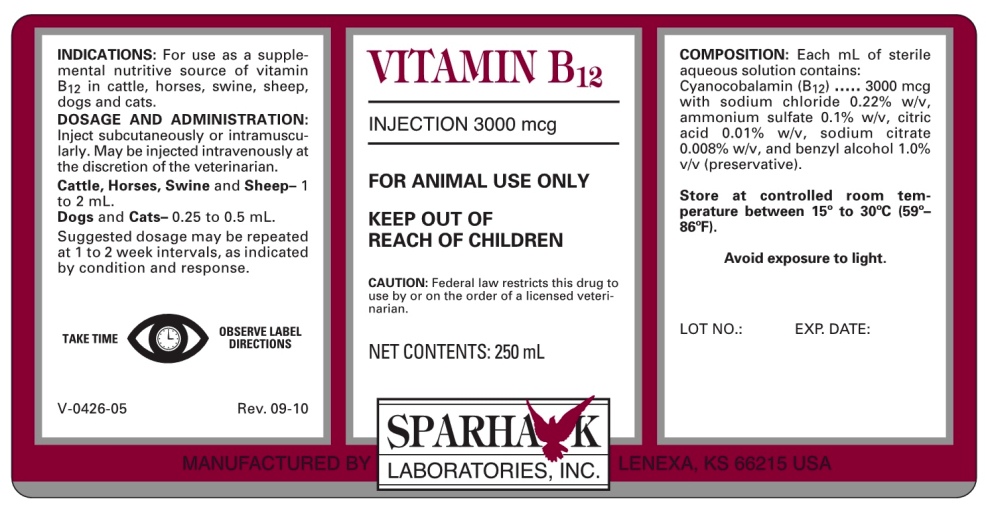
When you’re shopping for a product to discuss with a clinician, focus on three things: the form, the strength, and the packaging/quality signals.
Common injection forms (what you’ll see on labels):
- Cyanocobalamin: Common in supplements and injections; sometimes preferred for certain protocols.
- Hydroxocobalamin: Another active B12 form used in some settings.
Typical product formats people commonly use (or discuss with clinicians):
- Multi-dose vials (single bottle with measured dosing)
- Prefilled syringes (more convenient for home administration planning)
- Clinic-administered injection plans (where a provider handles dosing and documentation)
Quality signals to look for (consumer checklist):
- Clear active ingredient name (cyanocobalamin or hydroxocobalamin).
- Documented strength per dose (e.g., micrograms/mcg per mL or per syringe).
- Proper storage instructions (temperature/light requirements).
- Manufacturing/labeling that matches a recognized regulatory standard.
- Professional labeling for dosage volume and injection route (if applicable).
Product pricing varies widely by region, clinic overhead, and whether you’re buying supplies directly or paying for administration. In general, injections can cost more than oral B12, and your “total cost” includes needles/syringes, alcohol wipes, sharps disposal, and sometimes office fees if administered in clinic.
Important: if you’re considering home injections, confirm the route and dosing plan with a clinician. Incorrect technique can cause bruising, infection risk at the injection site, or inconsistent dosing.
Comparison of Common Options
This table reflects typical consumer-level choices people discuss with clinicians. It’s not a prescription. Your correct schedule depends on your labs and underlying cause.
| Format | Typical Dose/Use | Pros | Cons | Cost | Best For |
|---|---|---|---|---|---|
| Clinic-administered injections (provider schedule) | Repletion phase often more frequent, then spaced (exact dosing varies) | Documentation, supervised dosing, easier lab follow-up | More expensive; scheduling time | Higher | Confirmed deficiency or absorption concerns |
| Prefilled syringe (cyanocobalamin) | Single measured dose per injection; frequency per plan | Convenient for consistent dosing; less measuring error | Still requires technique; may cost more per dose | Medium to higher | People aiming for predictable at-home dosing |
| Vial + syringe (hydroxocobalamin or cyanocobalamin) | Measured withdrawals; frequency per plan | Often flexible; can be economical in some setups | More steps; higher risk of measurement mistakes | Lower to medium | People comfortable with dosing setup |
| Oral B12 (comparison option) | Daily or several-times-weekly tablets (dose varies widely) | Non-invasive; easy to adhere to | May be less effective when absorption is the limiting issue | Lower | Dietary insufficiency or mild deficiency under monitoring |
| “High-dose” sublingual (alternative option) | Frequent dosing; dose varies by product | Convenient; avoids needles | Effectiveness depends on cause; not always reliable for malabsorption | Low to medium | Those who prefer non-injection trials with labs |
Buying Framework and Red Flags
If you’re actively trying to decide how often should you get B12 injections, treat the “buy” decision as part of a broader plan: product choice + lab follow-up + symptom tracking.
Checklist (use before you start or change frequency):
- Do you have recent lab results (or a clinician-confirmed deficiency/need)?
- Do you know which B12 form you’re using (cyanocobalamin vs hydroxocobalamin)?
- Does the product clearly list strength per dose and total volume?
- Are storage instructions clear, and can you store it correctly?
- Do you have a plan for follow-up labs to guide how often to continue or stop?
- Do you know when to escalate (worsening tingling, weakness, severe dizziness, new neurologic symptoms)?
- Do you have sharps disposal if doing injections at home?
Red flags (consumer warning signs):
- Buying a schedule online that doesn’t account for your labs or medical conditions.
- Repeated injections without any plan to recheck B12-related markers.
- Claimed “instant transformation” timelines or promises of curing unrelated conditions.
- Unclear labeling (missing strength, unclear active ingredient, vague “B12 blend” injection claims).
- Increasing frequency because you “feel tired,” when fatigue could have many causes.
Common Mistakes and How to Avoid Them
Mistake 1: Treating injection frequency as the only lever.
How often you get injections matters, but so do the dose, the form, your baseline deficiency, and your underlying cause.
Mistake 2: Skipping follow-up labs.
If you’re correcting deficiency, you need a way to confirm improvement. Ask for follow-up timing that matches your plan—don’t just keep dosing indefinitely.
Mistake 3: Self-diagnosing solely from symptoms.
Fatigue and brain fog can be iron deficiency, thyroid issues, sleep problems, or stress. If symptoms persist, get evaluated rather than assuming B12 is the problem.
Mistake 4: Changing the plan too fast.
People often increase frequency because they don’t feel immediate results. That can be frustrating, but it can also delay a proper clinical workup.
Mistake 5: Ignoring neurologic red flags.
Progressive numbness, trouble walking, or worsening weakness should be assessed promptly. Don’t wait for an injection schedule to “catch up.”
FAQ
Is it proven that B12 injections are necessary, and how often should you get B12 injections if you’re low?
B12 injections can be appropriate when deficiency is confirmed and especially when absorption is impaired. “Necessary” depends on the cause of low B12 and whether oral options are likely to work for you. Clinicians typically decide frequency based on labs, symptoms, and underlying cause rather than a universal rule.
How long does it take to notice results after starting B12 injections, and does that change how often you get B12 injections?
Timing varies. Some people notice changes sooner, while others take longer. If symptoms don’t improve over a reasonable period, that’s a signal to reassess—often with follow-up labs and consideration of other causes—rather than automatically increasing injection frequency.
What are common B12 injection side effects, and are they related to how often you get B12 injections?
Common issues are usually localized (soreness, bruising) or mild reactions. True serious side effects are uncommon but possible. Side effects can occur regardless of schedule, but a more frequent plan can increase the number of injection-site exposures. If you get severe reactions, consult a clinician promptly.
Can I combine B12 injections with oral supplements, and how should that affect how often you get B12 injections?
Some clinicians use combinations during correction, then simplify to an oral maintenance strategy if appropriate. Whether you can combine depends on your cause of deficiency, your current labs, and your clinician’s plan. Combining without guidance can lead to unnecessary dosing and makes it harder to interpret changes.
Oral vs injection: If I’m wondering how often should you get B12 injections versus taking B12 by mouth, what’s the practical difference?
Oral B12 can be effective for many people, especially when the issue is dietary or mild deficiency and absorption is adequate. In contrast, injections are often used when absorption is impaired or when a clinician prefers a more direct approach. The “how often” question usually comes down to lab response and cause, not personal preference alone.
A Practical 2-Week Experiment Framework
If you’re deciding how often to get B12 injections, a structured two-week experiment can make the decision less emotional—while still staying cautious. The goal is to track signals that matter (not to promise outcomes).
Before you start (Day 0):
- Write down your baseline: fatigue level (0–10), tingling/numbness presence, concentration clarity, and sleep quality.
- Note any recent labs and the dates (if you have them).
- Confirm your dosing plan with a clinician (especially if you’re doing at home).
During the two weeks (Days 1–14):
- Track symptoms daily in a quick log (1–2 minutes): energy, focus, and any side effects.
- Record injection dates (if applicable), dose strength, and any injection-site reactions.
- Keep other variables stable as much as possible (sleep schedule, major diet changes, new supplements).
Review (Day 14):
- If you notice meaningful changes (even small), discuss whether your clinician wants to continue the plan or adjust frequency.
- If you notice no change, don’t automatically escalate. Consider lab follow-up and alternative causes of symptoms.
- If side effects are more than mild, pause and consult a clinician about whether to change dose, form, or route.
Consumer note on failure cases: If you expected dramatic results but see nothing, that doesn’t automatically mean injections “failed.” It can mean the cause isn’t B12, the baseline deficiency is different than assumed, dosing timing isn’t right yet, or other deficiencies (like iron) or conditions are driving symptoms.
About the Author
Dr. Mara Ellison, RD (Review Team) is a registered dietitian who has spent the last decade translating clinical guidance into consumer-friendly product reviews, including supplementation and injectable therapy discussion guides. Her work focuses on evidence-based interpretation, labeling clarity, and practical consumer checklists—especially for women navigating health changes in midlife.
Disclosure: This article is written as an informational consumer review, not medical advice. It does not diagnose or treat any condition, and it doesn’t guarantee outcomes. Any dosing schedule—how often you get B12 injections—should be decided with a qualified clinician using your medical history and appropriate lab follow-up.
Discussion